
Social isolation can affect an older adult’s mood, physical health, confidence, and sense of purpose. Assisted living can help reduce that risk by creating regular opportunities for conversation, shared activities, meals, and supportive contact throughout the day.
Assisted living does not automatically eliminate loneliness. A resident may still miss a spouse, feel uncomfortable in a new setting, or prefer quiet time. The value comes from having accessible social opportunities and practical support when participating alone becomes difficult.
Why can isolation become a concern for older adults?
Isolation often develops gradually. A person may stop driving, lose a spouse or close friend, experience hearing or vision changes, or move away from a familiar neighborhood. Health conditions, limited mobility, and winter weather can make leaving home more difficult.
In Washington, seasonal cold, snow, and icy walkways may also reduce outdoor activity and travel for older residents. Even when family members live nearby, work schedules, distance, transportation challenges, or caregiving responsibilities can limit regular visits.
Loneliness and isolation are related but not identical. Isolation generally refers to having limited contact or interaction with others. Loneliness describes the personal feeling of being disconnected, even when people are present. An older adult can experience either condition or both.
Common signs may include:
- Eating most meals alone
- Losing interest in hobbies or personal routines
- Frequently canceling social plans
- Spending much of the day in bed or in one room
- Showing increased sadness, worry, irritability, or confusion
- Having difficulty keeping up with medications, meals, or household tasks
These changes do not always mean a person needs assisted living. They do suggest that the household should look more closely at daily routines, safety, transportation, health, and opportunities for meaningful connection.
How does assisted living create more daily social contact?
Assisted living places residents near other people and staff members throughout the day. That regular contact can be helpful for someone who previously spent long periods alone at home.
Social interaction may happen naturally during:
- Breakfast, lunch, and dinner
- Hallway conversations
- Recreational programs
- Exercise or movement groups
- Shared lounges or outdoor areas
- Transportation for planned activities
- Informal visits with neighbors
- Personal care or routine check-ins
These brief interactions matter. A short conversation at breakfast or a familiar greeting from a staff member can provide structure and reassurance. Over time, repeated contact may help a resident feel recognized and more comfortable participating.
The setting also reduces the need to plan every interaction independently. At home, an older adult may need to arrange transportation, prepare food, make a phone call, or travel to a community activity before seeing anyone. In assisted living, some opportunities are available within the residence.
What types of activities help residents build relationships?
Activities are most useful when they reflect residents’ interests, abilities, and past routines. A calendar filled with events is not enough if the activities feel irrelevant or too demanding.
Helpful options may include:
- Card games, puzzles, or discussion groups
- Music, singing, or familiar-movie gatherings
- Crafts, gardening, or seasonal decorating
- Light exercise, stretching, or walking groups
- Cooking demonstrations and shared snacks
- Educational talks and current-events discussions
- Faith-based or reflective programs
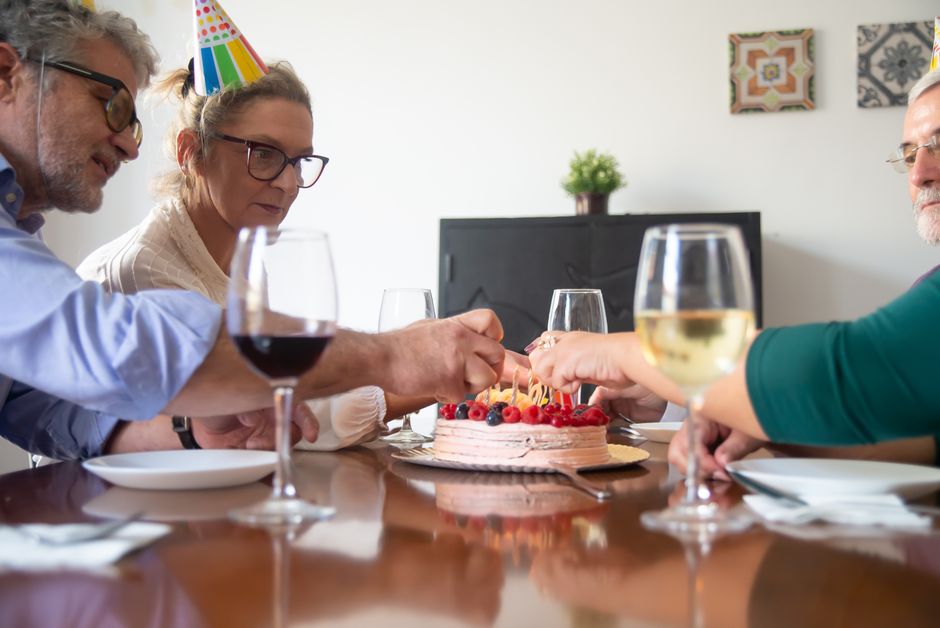
- Celebrations of birthdays, holidays, or personal milestones
- Intergenerational visits involving children or grandchildren
Small groups can be especially effective because they make conversation easier than a large gathering. A resident who does not enjoy organized events may connect through a shared interest, a meal companion, or a one-on-one visit.
Meaningful activity is different from simply staying busy. The strongest programs give residents a reason to contribute, make choices, use familiar skills, or share personal knowledge.
How can assisted living support someone who is shy or reluctant?
A quiet or hesitant resident may need a gradual introduction rather than pressure to join every activity. Staff members and family can help by identifying familiar interests and suggesting one comfortable opportunity at a time.
For example, a resident who dislikes large groups might begin with coffee in a common area, a short conversation with a neighbor, or a small craft activity. Someone who used to enjoy gardening may feel more comfortable helping with plants than attending a formal social event.
Practical support can also make participation easier. Hearing aids, glasses, mobility devices, comfortable seating, clear directions, and suitable activity times can affect whether a resident feels able to join.
Family members can support adjustment by asking specific questions instead of simply asking whether the person is “making friends.” Useful questions include:
- Who did you sit with at lunch?
- Did any activity feel comfortable this week?
- Is there someone you would like to visit again?
- What part of the day feels loneliest?
- Are there activities you would prefer to change?
Can assisted living help residents stay connected with family?
Yes. Assisted living can provide a stable setting for family visits and regular communication, but it does not replace family relationships.
Visits may be easier when the resident no longer has to manage household chores, transportation, or meal preparation before guests arrive. Family members can also participate in shared activities, bring familiar photographs, read aloud, play cards, or help maintain personal traditions.
For relatives who cannot visit frequently, predictable phone or video calls may provide reassurance. The schedule should account for hearing, vision, fatigue, and memory changes. A shorter, consistent call may work better than an occasional long conversation.
Residents may also benefit from continuing relationships outside the residence, including neighbors, former coworkers, members of faith communities, and longtime friends.
What should families ask when evaluating social support?
Families should look beyond the number of activities listed on a calendar. The more useful questions focus on participation, flexibility, and individual attention.
Ask:
- How are new residents introduced to others?
- Are activities adapted for different mobility and cognitive abilities?
- Can residents suggest or lead activities?
- Are meals arranged to encourage conversation?
- How are residents supported if they stop attending events?
- Are there quiet spaces for private visits?
- How does staff notice changes in mood or social engagement?
- Are outdoor areas usable during different seasons?
- What happens when weather limits transportation or outdoor plans?
A residence may offer many programs while a particular resident remains isolated. Ongoing observation matters. Staff should recognize when someone is present in a common area but not meaningfully engaged, or when a formerly active person begins withdrawing.
When might isolation signal a health concern?
A sudden or persistent change in social behavior may have a medical, emotional, or environmental cause. Depression, medication effects, pain, hearing loss, poor sleep, infection, cognitive changes, and grief can all affect participation.
Warning signs include a sharp decline in eating, personal care, communication, mobility, or interest in familiar activities. Confusion that appears suddenly, severe sadness, statements about hopelessness, or concerns about self-harm require prompt attention through appropriate medical or emergency support.
Assisted living can provide observation and daily contact, but social programming alone cannot address every cause of withdrawal. A coordinated response may be needed when isolation appears alongside changes in health or safety.
How can families help before or after a move?
Families can make social adjustment easier by discussing routines, preferences, and concerns before a move. Share information about favorite activities, food preferences, communication needs, cultural traditions, and past work or hobbies.
After the move, allow time for adjustment. Encourage participation without treating every quiet day as a failure. Familiar belongings, regular calls, photographs, and visits can help preserve identity while new routines develop.
The goal is not constant activity. A healthy routine includes meaningful contact, personal choice, privacy, rest, and opportunities to form relationships at a comfortable pace.
