
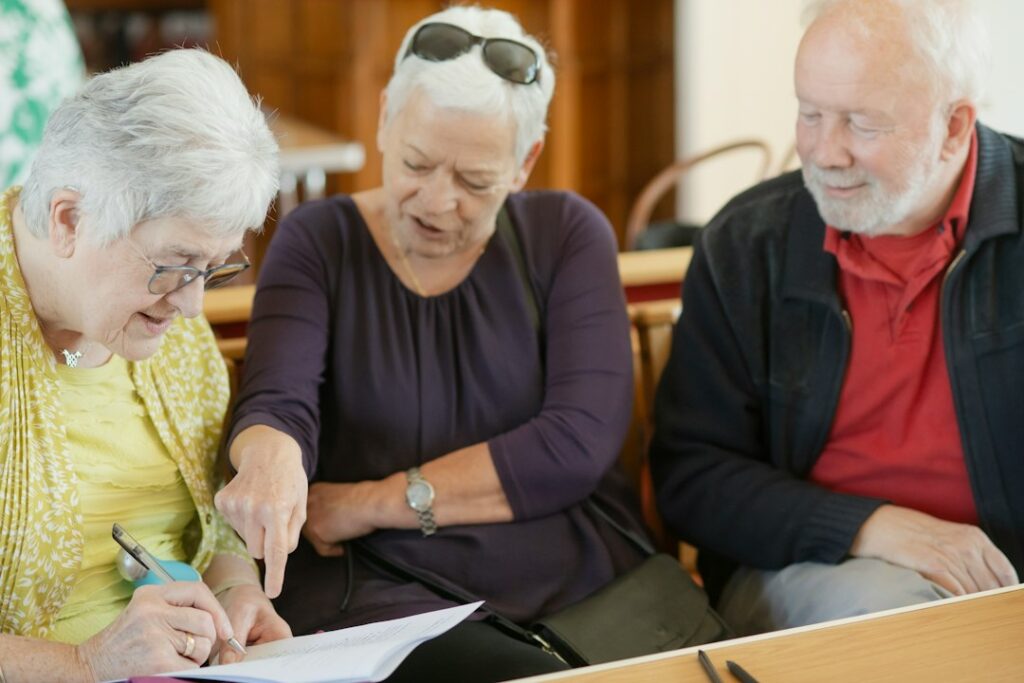
What role do volunteers play in assisted living?
Volunteers help assisted living communities feel more connected, active, and personal. They may spend time with residents, assist with activities, offer companionship, support events, or share skills that enrich daily life.
Volunteers do not replace licensed caregivers, nurses, medication staff, or other employees. Their role is generally social, recreational, educational, or supportive. Clear boundaries help protect residents while allowing volunteers to make a meaningful contribution.
For residents and families in Washington, PA, volunteering can be especially valuable because assisted living often brings together people with different backgrounds, interests, mobility levels, and social needs. A thoughtful volunteer program gives residents more opportunities for conversation and participation without treating every person’s needs the same way.
What kinds of activities do volunteers provide?
Volunteer activities vary according to the community, the volunteer’s abilities, and residents’ interests. Common examples include:
- Reading newspapers, short stories, or books aloud
- Playing cards, board games, or simple word games
- Visiting with residents who have limited family nearby
- Helping with arts, crafts, music, or gardening activities
- Assisting with holiday gatherings and seasonal events
- Writing letters, organizing photographs, or recording family stories
- Supporting walking groups or supervised outdoor time
- Leading discussions about hobbies, history, cooking, or local traditions
- Bringing friendly pets through an approved animal-visitation program
- Helping residents use tablets, phones, or video calls to connect with family
Some volunteers contribute through a regular weekly visit, while others help with special events. Consistency can be more valuable than the number of hours. A resident may look forward to seeing the same volunteer each week and gradually develop trust and familiarity.
How does companionship affect residents?
Regular social contact can reduce loneliness and give residents a stronger sense of belonging. A volunteer who listens patiently may help a resident feel noticed as an individual rather than defined by age, diagnosis, or assistance needs.
Companionship can also encourage participation. A resident who does not want to attend an activity alone may be more willing to go with a volunteer. Someone who rarely starts conversations may open up while looking through family photographs, discussing music, or sharing memories of work and community life.
The quality of the interaction matters. Volunteers should avoid rushing, correcting every detail, or speaking to adults in a childish manner. Respectful conversation includes asking permission, allowing extra time for responses, and recognizing that a resident may prefer quiet company rather than constant activity.
Can volunteers help residents with memory loss?
Yes, volunteers can support residents living with memory loss, but they need appropriate training and supervision. Helpful activities are usually familiar, calm, and easy to follow.
Examples include folding towels, sorting large photographs, listening to familiar music, watering plants, or discussing topics connected to the resident’s life history. The goal is not to test memory or force a resident to recall information. The goal is to provide comfort, engagement, and a positive interaction in the present moment.
Volunteers should understand that a resident may repeat questions, become confused, lose interest, or react unexpectedly. These behaviors are not necessarily intentional or disrespectful. A volunteer should remain calm and notify staff if a resident appears distressed, unsafe, ill, or in need of personal care.
What are volunteers not allowed to do?
Volunteers generally should not perform tasks that require clinical training, private access, or formal authority. These restrictions protect both residents and volunteers.
A volunteer should not independently:
- Give or organize medication
- Provide medical advice
- Lift, transfer, or reposition a resident without specific authorization and training
- Assist with bathing, toileting, dressing, or other intimate care
- Handle money, bank cards, passwords, or legal documents
- Drive a resident unless the arrangement is formally approved
- Take photographs or share personal information without permission
- Promise to keep safety concerns secret
- Make decisions about treatment, care plans, or discharge
If a resident asks for help outside the volunteer’s role, the appropriate response is to acknowledge the request and involve a staff member. A simple statement such as, “I want to make sure the right person helps with that,” preserves dignity while keeping responsibilities clear.

How are volunteers screened and trained?
Assisted living communities commonly use an application, interview, background review, reference checks, orientation, and supervision process. Requirements may vary based on the volunteer’s age, duties, frequency of visits, and contact with residents.
Training may cover:
- Resident rights and privacy
- Infection prevention and hand hygiene
- Emergency procedures
- Recognizing changes in condition
- Dementia-friendly communication
- Fall prevention and mobility limits
- Abuse, neglect, and exploitation awareness
- Appropriate boundaries and confidentiality
A volunteer should know who to contact if a resident falls, reports mistreatment, becomes short of breath, appears unusually confused, or discloses a safety concern. Volunteers are not expected to diagnose problems, but they should report observations promptly.
Seasonal conditions can also affect volunteer activities. During icy weather, heavy rain, or extreme heat, outdoor visits may need to move indoors or be postponed. Indoor companionship, hallway activities, and virtual family connections can help maintain social contact when travel or walking conditions are difficult.
How can families help residents have better volunteer experiences?
Families can share useful information about a resident’s interests, communication style, routines, and past experiences. Details such as a favorite type of music, former occupation, preferred conversation topics, or dislike of crowded rooms may help a volunteer create a more comfortable visit.
Families should also remember that residents have the right to decline a visit or activity. A resident may be tired, uncomfortable, worried, or simply not interested that day. Respecting that choice is part of person-centered care.
If a family member has concerns about a volunteer interaction, the concern should be discussed with the appropriate staff member rather than handled through confrontation. Good programs have a clear process for questions, feedback, and reporting.
Can older adults volunteer in assisted living?
Yes. Older adults can be excellent volunteers when the duties match their energy, mobility, hearing, vision, and comfort level. A former teacher may enjoy reading with residents. A musician may lead familiar songs. Someone with strong organizational skills may help prepare activity materials.
Volunteering can also benefit the volunteer by providing routine, social connection, and a sense of purpose. However, the role should remain manageable. Volunteers need permission to take breaks, decline tasks, and communicate when an activity is physically or emotionally demanding.
What makes a volunteer program effective?
Strong volunteer programs are organized, supervised, and built around resident preferences. They match volunteers with suitable activities instead of assuming that every resident enjoys the same type of interaction.
Effective programs also maintain communication between volunteers and staff. Staff should explain boundaries, provide feedback, and recognize concerns early. Volunteers should be dependable, respectful, and willing to learn.
The most useful contribution may be simple: sitting with someone during a quiet afternoon, helping a resident participate in a familiar activity, or listening carefully to a story that has been told many times. In assisted living, those moments can support connection and dignity while complementing the professional care residents receive.
